Walking into your first acting class in Singapore can feel equal parts exciting and terrifying. You don’t know what to expect, and that uncertainty makes the nerves even worse. To be honest, most beginners feel exactly the same way before their first session.
Fortunately, though, acting classes are designed to ease you in gently. You will start with warm-ups, theatre games, and simple exercises, so no one expects you to deliver a full monologue on your first day.
In this guide, we will explain what your first class usually looks like, the skills you will learn, how to choose the right course, and a few well-known schools in Singapore. You can also explore programmes at www.krispproduction.com if you are ready to get started.
What to Expect in Your First Acting Classes in Singapore
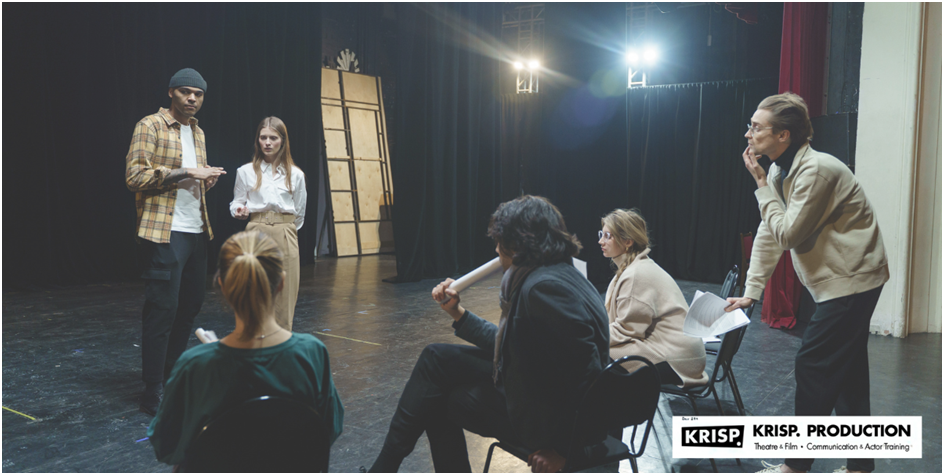
Your first acting class will include warm-ups, theatre games, and group exercises to provide you some relaxation.

From our experience working with beginners, most people walk in feeling nervous or awkward. But almost everyone in the room shares that same energy, so you’re definitely not the only one.
Classes typically run for two to three hours, and the focus is on building trust with your classmates. The best thing here is that you won’t be performing monologues or diving into heavy scenes right away. Instead, trainers create a supportive environment where students can ease into the experience at their own pace.
Singapore’s arts scene has grown a lot in recent years, with support from organisations like the National Arts Council, so you’ll find plenty of beginner-friendly classes across the island.
Fundamentals of Acting You’ll Learn as a Beginner
As a beginner, you’ll learn voice control, body movement, improvisation, and scene work. These four fundamentals form the foundation of acting, and they shape how you express yourself on stage.
The best part is that once you’ve built this base, every role you take on becomes easier to approach. Let’s look at what we mean by that:
Voice and Movement Training at the Core
You might be wondering why voice and movement come first. It’s because everything in acting starts with your body and how you use it.
Voice work covers projection, breath control, and articulation, which help actors speak clearly and reach the back of the theatre. Movement exercises then teach you how your body communicates emotion and intention, even when you’re not saying a word.
Once you’ve got these two skills down, everything else in your drama training becomes easier to absorb.
Improvisation and Scene Work for a Strong Start
Improv teaches you to react naturally, listen actively, and stay present in the moment. These aren’t just performance skills; they also help with everyday communication.
Scene work builds on this by introducing you to scripts, character analysis, and working with a partner. For example, you might rehearse a short scene multiple times, each time discovering something new about your character’s motivation.
Both improv and scene work build confidence and prepare actors for auditions or live performances down the line.
How to Choose the Right Acting Course for Your Goals
Are you learning to act for fun, or are you hoping to develop the skills to perform professionally? It helps to decide this early because some hobby classes can be just as intensive as professional training.
Here’s a quick breakdown to help you compare:
| Factor | Hobby Track | Professional Track |
| Time commitment | 2-3 hours/week | 6-10+ hours/week |
| Class size | Larger groups (10-15) | Smaller groups (5-8) |
| Focus | Fun, confidence, social | Technique, auditions, industry prep |
| Duration | Short-term workshops | Long-term courses (3-12 months) |
Once you have a sense of which track suits you, the next step is choosing a course that matches your schedule and learning style. Many schools in Singapore offer trial classes or open houses, and these give you a good chance to experience the teaching approach before you commit.
Pay attention to how the trainers interact with students, and ask about class size and programme structure. A good course should challenge you while still feeling supportive.
Many beginners do well in smaller workshops where facilitators can provide more individual feedback, so keep that in mind if you are completely new to drama and theatre.
Popular Acting Schools in Singapore: From Sing’Theatre Academy to the School of the Arts
Now that you know what to look for in a course, let’s cover some popular schools offering acting classes in Singapore. The options here range from structured academies to casual weekend workshops, so there’s something for almost every schedule and budget.
What to Look for in the Best Programs
Sing’Theatre Academy is one of the more established names in Singapore’s theatre scene. Their courses blend Western and Asian techniques, including Michael Chekhov and Viewpoints methodologies. This mix gives students a well-rounded foundation, especially if you’re interested in both classic and contemporary performance styles.
For younger students, the School of the Arts (SOTA) offers formal training in drama and theatre. SOTA students train six days a week (which is certainly not casual). The programme suits teens and kids who are serious about pursuing performance as a career, and entry is competitive.
For working professionals and non-actors, Krisp Production takes a different approach. Their classes use acting techniques to build communication skills, confidence, and authenticity in everyday settings. This makes them a solid option if you’re more interested in personal growth or leadership presence than stage performance.
Other options include Singapore Youth Theatre for children and teens, plus private studios and community centres around Orchard or Bugis. For a broader list of creative opportunities, the Arts Resource Hub is a helpful starting point.
Ready for the Spotlight?
A few simple habits can speed up your progress and help you get more out of every class. The first is showing up with an open mind and leaving your self-judgment at the door. Acting requires vulnerability, so permit yourself to mess up.
Outside of class, try observing how people around you express emotion through their body language and voice. Reading scripts or catching a drama performance at the Esplanade can also sharpen your instincts.
Ultimately, acting is a skill that develops over time, and every session adds something new to your toolkit.